Home design is not only about the appearance but a place that suits you and your lifestyle. Whether it is a new construction, or a redesign of an existing home, it might help to know all about the main aspects of a successful home design. Whether it is functionality or energy efficiency, both matters are important in the working out of your environment. In case you are interested in making your dream space in Brisbane, you might want to consider these key elements that will make you know what path to take in this exciting adventure of becoming the owner of homes that are really like you. And now let us plunge into what can make a house a home!
Functionality Creating Spaces that Work
The effective home design is all about functionality. It is concerned with the design of spaces that have a seamless service. The rooms to be used should complement each other to add value to everyday life.
Take the example of the kitchen which is commonly termed as the heart of the home. A well-organized system and open shelves and space that allows easy storing and proper positioning of the appliances can make cooking more of a pleasure than a burden.
Residential places should also accommodate different functions. Open plan can ensure interaction but it can have specific areas within which relaxation or entertainment can take place. Consider the movement through these spaces because of the furniture setup.
By prioritising functionality, your home can adapt as your lifestyle changes—whether hosting family gatherings or enjoying quiet, intimate evenings. This practical yet flexible approach is often embedded into the design philosophy of builders such as Ownithomes Beisbane, where thoughtful layouts and functional living spaces are central to creating homes that truly support modern life.
Aesthetics Designing for Visual Appeal
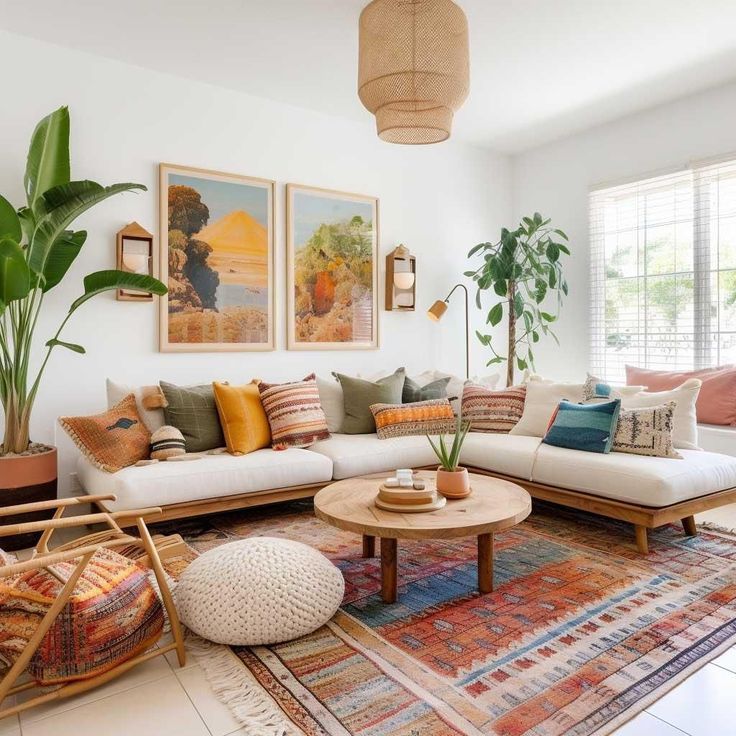
Home design highly depends on aesthetics. It is all about making it a place that appeals to your own personal style and makes it sound and feel harmonious.
The color selections could change an environment. Muted, neutral sounds usually work to relax, whereas vibrant colors can be rejuvenating and lively.
Textures give a three dimensional aspect to your design. The combination of such materials as wood, metal, and cloth contemplates the sense of touch and aesthetics.
Aesthetics is also affected by lighting. Natural lighting is a natural way of beautifying any place and makes a room seem bigger and enjoyable. Reflective artificial lighting is used to illuminate architectural structures or paintings.
The introduction of art objects or individual decoration makes your house lively. These are the things that make your story unique and every room is your own.
Comfort and Livability Making Your Home Feel Like a Home
Personal touches are the way to create a comfortable home. The use of warm color and smooth texture can turn a space into a welcoming one.
Consider the impact of furniture layout on circulation. An aptly placed sofa or chair will make you talk and relax. Extra comforts such as sitting and reading nooks make everyday life better.
Lighting is also very important. The natural light is used to improve mood, whereas during the evenings, warm lamps are used to produce atmosphere. Superimposing different sources of light gives your rooms a natural depth.
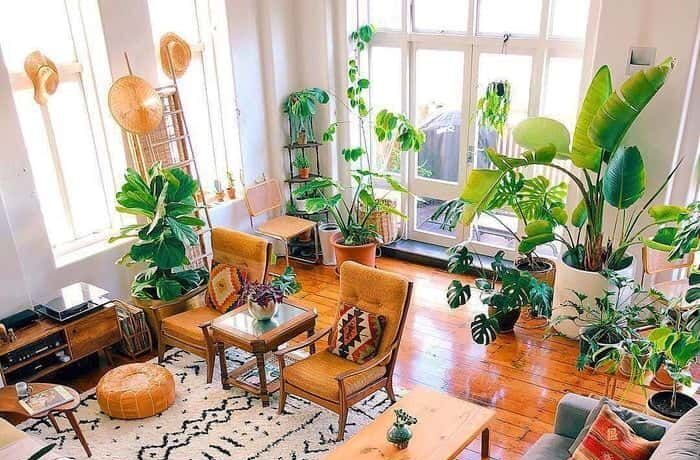
Plants can be used to bring nature to the indoors creating a better air quality as well as a vibrancy to an area. Select low-maintenance varieties when you are too busy and yet you need to have the touch of that green.
Think about smells that make you feel relaxed scented candles or essential oil diffusers can make your home invite you and only you. It is these little things that make a house a real home where memories are created.
Energy Efficiency Incorporating Sustainable Design Principles
Energy conservation is critical to the contemporary design of a home. And it is not only about saving the utility bills, but a sustainable future.
One of the strategies is through incorporation of natural light. Dependence on artificial lighting can be lessened through the use of large windows and open designs. This is a basic modification that improves the beauty and reduces the use of energy.
Insulation is another very important factor. The walls, roofs, and floors are well insulated to ensure that there is a comfortable temperature throughout the year. This implies that it will use less energy on heating and cooling systems that are usually energy guzzlers.
Sustainability is also achieved through the choice of environmentally-friendly materials. Choose recycled or eco-friendly sourced items that will not impact the environment adversely and will still be stylish.
Think of the renewable energy sources such as solar panels. They provide both long term saving and also add value to your house- a win situation in any case in which a homeowner tries to make a better decision in his or her design strategy.
Flexibility Adapting to Changing Needs and Lifestyles
Home design needs to be flexible to suit changing lifestyles. The needs of families increase and evolve as they go through expansion or change. An intelligent space will enable it to be reconfigured easily without requiring a lot of renovations.
Take into account open floor plans that can be used in a versatile manner. These spaces may be used in various ways, such as hosting events and having areas where people can work in silence. Modular furniture is also very important; it is flexible and at the same time it provides room with maximum functionality.
Adding features such as mobile fences or adjustable shelves systems allows owners of the houses to customize their spaces with ease. This flexibility will see to it that your home is not obsolete in the long run.
The incorporation of designs that consider flexibility improves the day-to-day living in addition to raising the value of the property. Houses that adapt to the evolving situations are more preferable in the market.
The flexibility approach will establish a setting where comfortability will be achieved with practicality and the living space will be enjoyed over an extended period.