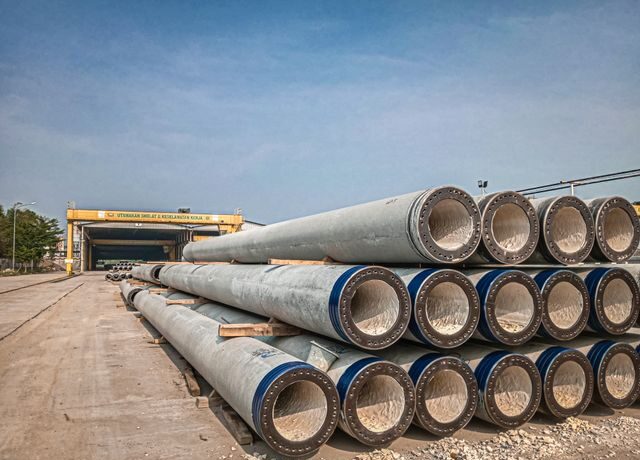
There’s a pattern worth paying attention to in Aussie water infrastructure specs. New jointing tech keeps turning up, gets some attention, and then finds its place. But you see rubber ring joint water pipes showing up on projects where failure just won’t do, time and time again. And it’s not just people sticking with what they know; it’s because of the way this jointing system stacks up against every other solution.
What Happens to a Rubber Ring Joint Under Load?
A rubber ring joint is not just a seal; it’s a bit of engineering magic. In rubber ring joint water pipes, it absorbs any movement at the join without compromising the hydraulics. And that’s especially important when you get ground settlement, especially that kind of differential settlement that can happen in QLD and WA clay soils. The joint takes the hit, not the pipe wall itself.
It also handles those nasty kinks in the line, allowing you to adjust the route during installation without having to make loads of custom bends. That makes a big difference on long rural mains where you need to make changes during construction; it saves a heap of time and cash. The seal works by compressing a rubber bit into a precision-machined groove, keeping the pressure tight even when the pressure’s really on.
How It Stacks Up to the Rest?
Welded joints are great when the ground’s not going anywhere and you don’t need any flexibility. But if you have any chance of settlement or seismic activity down the line, forget it. They can’t take any movement and that makes them a bad choice.
And then there are the restrained rubber ring joints, which add some extra locking in; they’re good if you’ve got to push through tough ground or you’re doing directional drilling. Standard rubber ring joints with separate thrust blocks are still your best bet for most straight-run installs in Aussie trunk main construction; that’s what you see most of the time.
Going the Extra Mile With Ball and Socket Configs
But what if you’re in a spot where the ground’s really variable and you need a lot of flex? That’s where ball and socket configs come in. They let you get a lot more movement out of each joint, which can save you from having to make loads of custom bends on those tricky routes. Just watch out; pipe diameter’s going to limit what’s available, so you need to get that sorted out during the design phase.
Corrosion Protection: The Other Half of the Performance Equation
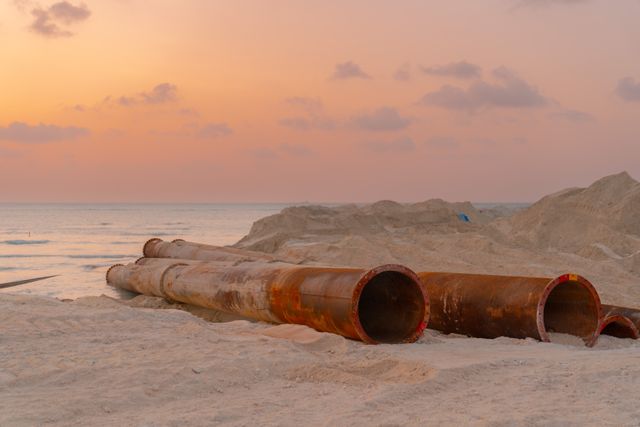
A rubber ring joint that maintains sealing integrity delivers no long-term benefit if the pipe body corrodes between inspection cycles. For Australian conditions, the joint system and coating system are assessed together. External polyethylene coating provides abrasion resistance and corrosion protection across a range of soil conditions, including the aggressive soils encountered in parts of South Australia and Western Australia. Internal cement mortar lining protects against tuberculation and maintains flow efficiency across the design life.
Joint zones require specific field-applied protection treatment to ensure continuity across the connection. The quality of this field application needs the same inspection rigour as the factory-applied coating on the pipe barrel.
What This Means for Asset Managers?
Rubber ring joints can be inspected and, in accessible locations, have the seal element replaced without replacing the pipe itself. Leak detection in rubber ring jointed mains is more straightforward because potential failure points are at discrete, known locations along the route rather than distributed across the full pipe wall. Asset managers who understand this structure their inspection programs around joint condition as a primary network health indicator, which consistently produces better outcomes than treating the pipeline as a uniform asset.