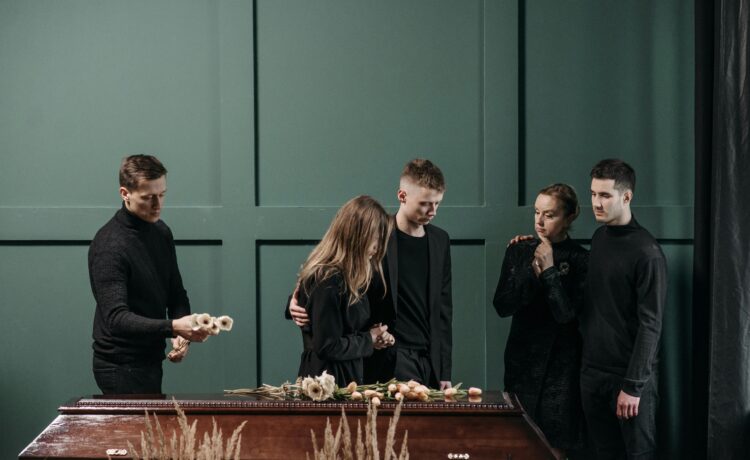
When we think about funerals, it’s easy to focus on the sadness of loss. However, these events also serve as profound expressions of cultural identity and tradition. Across the globe, different societies honor their deceased in unique ways that reflect their beliefs, values, and customs. As modern funeral services evolve with changing times, many are finding creative ways to incorporate age-old traditions into contemporary practices.
This blend of past and present not only respects those who have passed but also provides comfort to grieving families by honoring their heritage. From rituals steeped in history to innovative approaches enhanced by technology, cultural traditions continue to play a vital role in how we say goodbye. Let’s explore how various cultures keep these meaningful practices alive while adapting them for today’s world.
Traditional Funeral Practices: Burial vs. Cremation
The choice between cultural and specialist funeral services melbourne reflects deep cultural beliefs. Each practice holds distinct significance across different communities.
Burial often connects the deceased to ancestral lands. It’s a way for families to maintain a physical connection, visiting gravesites to honor memories. This method can be steeped in ritual, with ceremonies that pay homage to life and legacy.
On the other hand, cremation has gained popularity for various reasons. Some view it as a more environmentally friendly option. Others appreciate its simplicity and flexibility in memorializing loved ones.
Cultural influences play a major role too. In some traditions, cremated remains are scattered in sacred spaces or kept close at home, symbolizing an ongoing presence in daily life.
Preferences vary widely based on personal beliefs and cultural practices surrounding death.
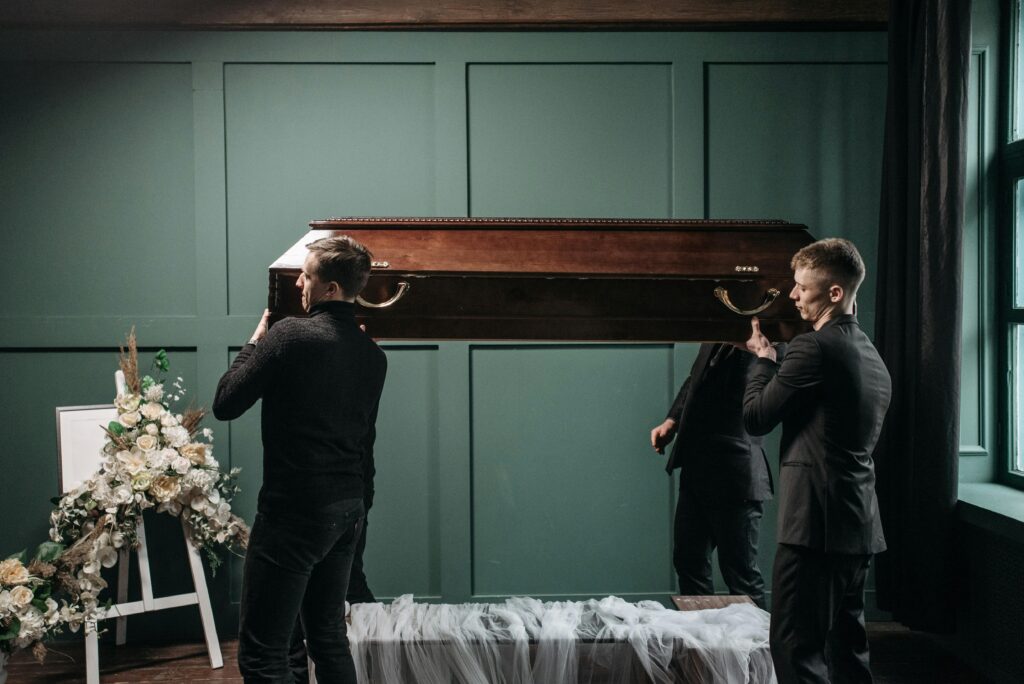
Incorporating Cultural Customs in Funeral Services
Funeral services today often embrace diverse cultural customs, reflecting the rich tapestry of global traditions. Families increasingly seek to personalize ceremonies by integrating rituals that honor their heritage.
For instance, some cultures incorporate specific prayers or chants during the service. These moments offer solace and connection to the community. Others may include symbolic gestures like lighting candles or burning incense, creating a sacred atmosphere.
Food also plays a significant role in many traditions. Sharing meals after a service fosters togetherness while honoring the departed’s favorites.
Celebrating life through music is another common practice across various cultures. Whether it’s traditional songs or contemporary tunes, music can evoke memories and provide comfort.
As societies become more multicultural, funeral services evolve to respect these varied practices. This inclusivity helps families heal while staying rooted in their ancestral values.
Impact of Technology on Modern Funeral Services and Cultural Traditions
Technology has transformed many aspects of our lives, and funeral services are no exception. With the rise of digital platforms, families can now livestream memorials to reach loved ones who can’t attend in person. This inclusivity honors cultural traditions by ensuring that everyone can participate, regardless of distance.
Virtual reality is also making waves in how we remember the deceased. Some companies offer experiences that allow mourners to revisit places significant to their loved ones, creating a deeper connection to shared memories.
Additionally, online memorial sites provide a space for families to share stories and photos, preserving cultural legacies for future generations. Social media serves as another avenue where tributes can be expressed widely.
As technology continues evolving, it will undoubtedly affect how various cultures celebrate life and honor their departed. Flexibility becomes key in maintaining meaningful practices while adapting to contemporary needs.
Examples of Unique Cultural Funeral Practices Around the World
Cultural funeral practices vary dramatically across the globe, showcasing the rich tapestry of human tradition and belief. In Tibet, for instance, some communities practice sky burial. This involves leaving the deceased on a mountaintop to be consumed by scavenging birds. It is seen as an act of generosity and a way to return one’s body to nature.
In contrast, traditional African cultures often celebrate life with vibrant ceremonies filled with music and dance. For many tribes, funerals are a communal event where family and friends gather not only to mourn but also to honor the legacy of the departed through storytelling and rituals that reinforce community bonds.
Meanwhile, in Mexico, Día de los Muertos (Day of the Dead) transforms mourning into a colorful celebration. Families create altars adorned with photos and favorite foods of their loved ones who have passed away. This joyful observance reflects deep cultural beliefs about death being part of life’s continuum rather than an end.
Japanese funerals often follow Buddhist traditions that emphasize simplicity and respect for ancestors. The ceremony typically includes offerings like incense or food at altars while chanting sutras for peace in the afterlife.
Each culture brings its unique perspective on death that honors both individual lives and collective values within society. These diverse practices remind us that while loss can bring grief, it also provides opportunities for remembrance—showcasing how deeply woven these customs are into our human experience around mortality.