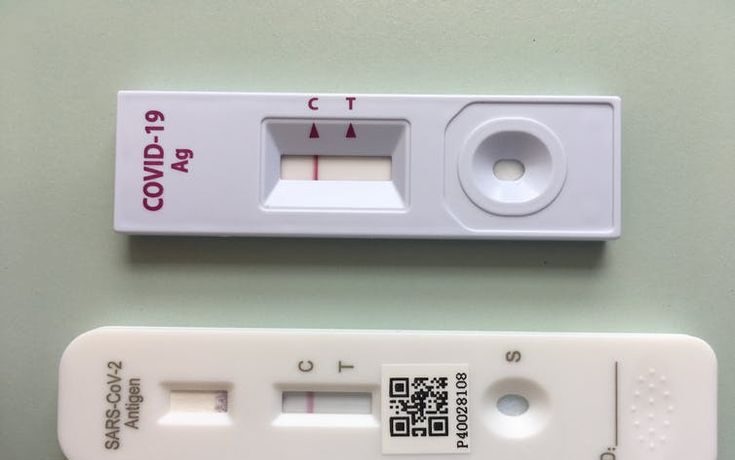
Rapid testing kits have become game-changers in the world of healthcare. With their ability to deliver quick results, they offer convenience and peace of mind, especially during health crises. Whether it’s for COVID-19, strep throat, or pregnancy, these kits cater to various needs and situations.
Imagine being able to get tested from the comfort of your home without long waits at clinics or hospitals. Sounds appealing, right? As more people seek effective ways to manage their health proactively, understanding what rapid testing kits can do is essential.
But with a myriad of options available on the market today, how do you choose the right one? Let’s explore what makes these tools so valuable and delve into key factors that will help you make an informed decision when selecting a rapid testing kit that meets your specific requirements.
Benefits of Rapid Testing Kits
Rapid testing kits offer quick results, significantly reducing the wait time associated with traditional testing methods. This speed is crucial in managing health crises effectively.
They are user-friendly, designed for easy administration by individuals or healthcare professionals alike. This accessibility means that more people can test themselves without needing extensive training.
Another advantage is their portability. Many rapid antigen test kits sydney users can conveniently use at home or on-the-go, making them a practical option for accessible health testing.
These kits provide immediate feedback, allowing individuals to make informed decisions about their health promptly. Quick access to results also helps limit the spread of infectious diseases by facilitating timely isolation when necessary.
Moreover, they often require minimal equipment and setup, which further enhances their appeal in various settings like schools and workplaces. The simplicity of these tests encourages regular screening as part of routine health checks.
Different Types of Rapid Testing Kits
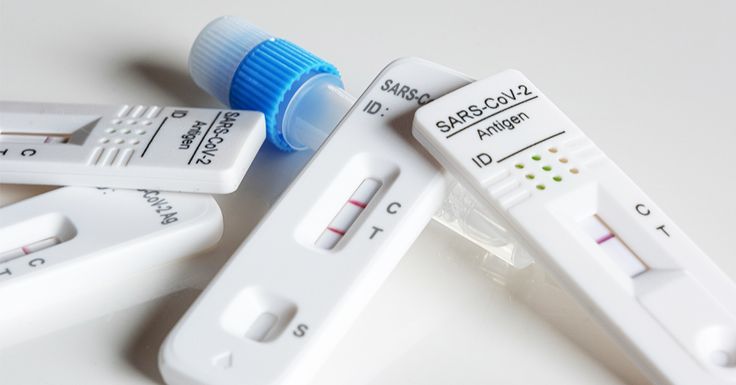
Rapid testing kits come in various types, each designed for specific needs. Antigen tests are among the most common. They quickly detect proteins from pathogens, providing results within minutes.
Another popular option is antibody tests. These assess whether someone has had a previous infection by identifying antibodies in the blood. While they don’t diagnose active infections, they’re helpful for understanding community spread.
Molecular tests like PCR or LAMP offer high accuracy through genetic material detection. Although slightly slower than antigen tests, they provide detailed insights into viral presence.
For home use, some companies have developed easy-to-use kits that require minimal equipment and training. This convenience allows people to test themselves without needing to visit a clinic.
With so many options available, it’s essential to choose the right type based on your specific situation and requirements.
Factors to Consider When Choosing a Rapid Testing Kit
Choosing the right rapid testing kit involves several critical factors. First, consider the accuracy of the test. Look for kits with high sensitivity and specificity to minimize false positives or negatives.
Next, evaluate the intended use of the kit. Some tests are designed for home use, while others may require a healthcare professional’s involvement. Ensure you select one that aligns with your needs.
Also, check for regulatory approvals or certifications from health authorities. This can provide peace of mind regarding safety and reliability.
Cost is another important aspect to weigh. While some affordable options exist, they might compromise on quality or features.
Consider how quickly results are available. Speed can be essential in many situations where timely decisions must be made based on test outcomes.
Ease of Use and Accessibility
When it comes to rapid testing kits, ease of use and accessibility are key factors. After all, the best kit is only effective if you can easily obtain and use it. Look for kits that come with clear instructions and require minimal equipment or training. This ensures that anyone can conduct a test without feeling overwhelmed.
Accessibility should also be considered in terms of availability. Some tests may only be sold through specific retailers or online platforms. Choosing a kit that is widely available makes it easier for individuals to access testing when needed.
Additionally, consider the time required to get results. Rapid testing kits are designed for quick results but some might take longer than others. A faster turnaround allows for timely decision-making, which is crucial in many scenarios.
Ensure that the test fits your specific needs whether it’s home usage or professional settings like schools or workplaces. The right balance of convenience and reliability will make your experience much smoother every step of the way.