The smell comes in first. Before the darkness falls and the realisation sets in of what is happening, there is a slight whiff of something burning around the power board. Most people ignore it longer than they should. Those who do not ignore it end up avoiding a very big problem.
Electrical emergencies in Blacktown never follow the rules of being at a convenient time. They can happen during midnight, on a public holiday or even in the middle of a summer heat wave when every air conditioning in the suburbs is working at full capacity. Knowing exactly what happens in these circumstances before it occurs is vital. That is the moment when a reliable emergency electrician Blacktown residents trust becomes extremely important.
What Can Be Considered an Electrical Emergency? What Cannot?
All trips of the breakers do not constitute an emergency situation, but each time a breaker trips, it should be taken into consideration, particularly if there are indications of the existence of such. These indications include:
- The safety switch cannot be turned back on or is re-tripping shortly after the process without any explanation for this.
- Smell of burning around a socket, a switch plate, or a switchboard.
- Sparks or burnt marks around the socket.
- The loss of electricity after water got inside the room with the electrical devices.
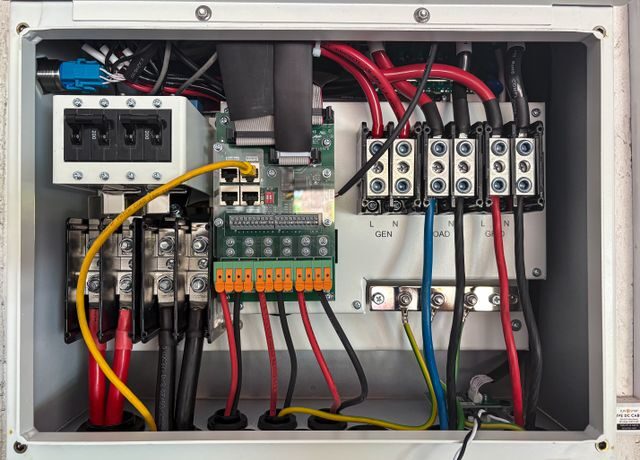
- The warmth felt in the switchboard near the main switch while using the device.
Where any of these signs are present, do not attempt to re-energise the circuit. Turn off the main switch at the board if it is safe to reach, stay away from the affected area, and call a licensed electrician.
Why a 24/7 Electrician in Blacktown Is Different From a Standard Call?
An after-hours electrical response is not simply regular work done at an inconvenient time. The technician arriving late at night is diagnosing under pressure, often with limited parts availability, and working in a property where the fault may not yet be fully contained. The quality of the response depends heavily on how clearly the situation is described before the technician departs.
Upfront pricing before work begins is standard practice for reputable contractors. If no quote is offered before tools come out, asking for one directly is entirely reasonable. Some faults are diagnosed and resolved in a single callout. Others require isolation of the affected circuit and a follow-up visit once the correct parts are sourced, in which case the power may need to remain off until the repair is complete.
The Common Sources of Electrical Emergencies in Residential Homes
According to NSW Fair Trading, electrical faults and appliances account for about 40% of the approximately 4,500 house fires registered annually in NSW. The common factor behind these statistics is the aged wiring that cannot accommodate the load of the current day’s household appliances.
Faulty or absent RCDs on wet area circuits are yet another constant fault generator. Residual current devices detect any leakage of electricity to earth and interrupt the fault before it can grow. Failure to have such protection installed on bathroom and laundry circuits leaves homes vulnerable in violation of the standards applicable to new constructions.
In addition, electrical installations performed without the use of a licenced electrician at some point in the property’s life leave connections seemingly in good condition but under strain. A decade later, these connections can become the source of a fault without any obvious reason.
How Emergency Electrical Work Is Priced in NSW?
Call-out costs include the technician’s time spent coming. It does not necessarily include the costs of diagnosis, nor does it necessarily include the repair cost. Understanding this aspect before the arrival of the technician helps avoid unpleasant surprises in a situation that is difficult enough on its own. After-hours charges apply to the whole procedure.
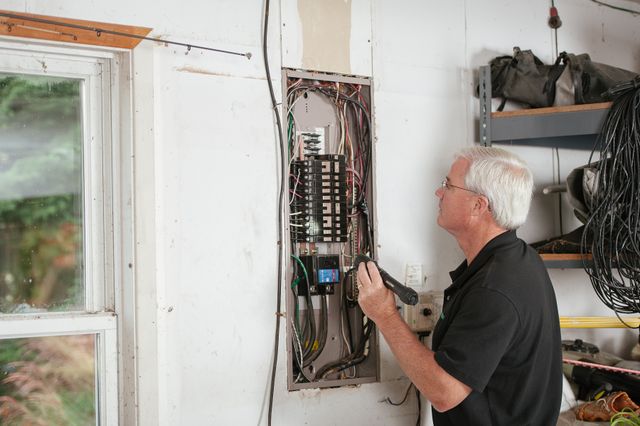
A Certificate of Compliance for Electrical Work (CCEW) is required in case of any notifiable electrical work, such as work on switchboards and the addition of circuits. This is a requirement set in NSW regulation, not just a piece of paper for good measure.
What Tenants and Landlords Each Need to Know?
According to NSW residential tenancy laws, all faults in any electrical system in a rental property are urgent repairs. Tenants need to immediately inform the landlord or the agent about the fault. The landlord needs to make sure that the urgent repair is completed in a timely manner. If it is impossible to contact the landlord or the agent, tenants should look into their rental agreement for the information on the approved repairers and organise the repair themselves. Recording the date, means of notification and the response of the landlord or the agent will help protect them from any possible future problems.