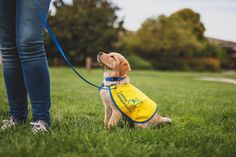
Guide dogs are remarkable companions, serving as a lifeline for the visually impaired. These incredible animals do more than just assist with navigation; they empower independence and provide confidence to those who rely on them. Imagine walking through a bustling city, feeling secure with a steadfast guide by your side. The journey from playful puppy to trusted guide dog is nothing short of extraordinary. It involves dedication, training, and an unbreakable bond formed between human and canine. Let’s explore this inspiring path that transforms adorable pups into essential partners in everyday life.
The Early Stages: Puppy Selection and Training
Choosing the right puppy is a critical first step in creating a skilled guide dog for the blind
. Breeders often focus on specific traits that lend themselves to guiding, such as temperament and intelligence.
Puppies are assessed for their eagerness to learn and social disposition. Those who show curiosity and confidence typically stand out during selection.
Once chosen, training begins early. These young dogs undergo basic socialization experiences. Exposure to various environments helps them adapt quickly.
Positive reinforcement plays a vital role at this stage. Treats and praise encourage desired behaviors, making learning enjoyable both for the pup and the trainer.
The process requires patience but sets a strong foundation for future tasks. Early lessons instill discipline while nurturing trust between the dog and its handler—essential qualities for the journey ahead.
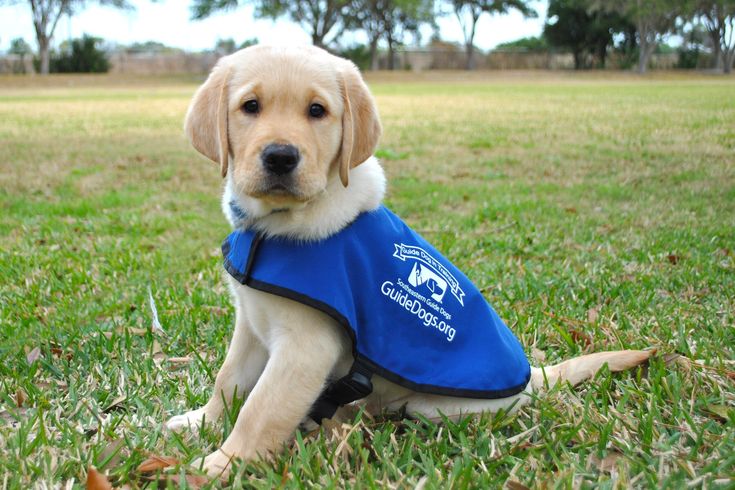
Intermediate Training: Socialization and Basic Commands
During the intermediate training phase, guide dogs experience a world filled with new sights and sounds. Socialization is key here. Puppies interact with various environments, people, and even other animals. This exposure helps them become well-rounded companions.
Basic commands form the foundation of their skills. Sit, stay, come—these are essential for any dog but crucial for a guide dog’s future work. Each command reinforces communication between the puppy and its handler.
Training sessions are fun yet structured. Positive reinforcement techniques encourage good behavior while fostering confidence in the pup. The goal is to create an obedient partner ready to face challenges head-on.
As they progress through this stage, these young dogs begin to understand their role as guides more intuitively. Their personalities blossom alongside their skills, forging a path toward becoming trusted helpers for those with visual impairments.
Advanced Training: Specific Tasks for Guide Dogs
Advanced training for guide dogs focuses on equipping them with specific skills that enhance their ability to assist visually impaired individuals. This stage of training is critical, as it prepares these remarkable animals for real-world scenarios.
Guide dogs learn to navigate complex environments, such as busy streets and crowded public spaces. They are taught how to recognize obstacles and make safe decisions while guiding their owners.
In addition to navigation, they also master commands like “forward,” “left,” and “right.” These cues allow the dog to lead effectively, responding immediately to the handler’s needs.
Another vital task involves stopping at curbs or changes in elevation. A well-trained guide dog will pause at a curb’s edge until given permission to proceed safely.
Through this rigorous advanced training, guide dogs become indispensable companions—protecting their handlers while granting them greater independence in daily life.
The Bond between Guide Dog and Owner
The relationship between a guide dog and their owner is truly remarkable. It goes beyond mere companionship; it’s built on trust, communication, and mutual respect. A guide dog becomes more than just a service animal; they are an extension of their handler’s independence.
From the moment a visually impaired person receives their guide dog, a unique partnership begins to flourish. This bond develops through shared experiences and daily routines. Together, they navigate busy streets, find the right bus stops, or even enjoy leisurely walks in the park. Each task strengthens their connection.
Trust is at the core of this relationship. The owner must rely on their dog’s instincts and training to safely maneuver through various environments. Likewise, the guide dog learns to understand cues from its handler—whether it’s a subtle signal to stop or an encouraging pat on the back for encouragement during challenging tasks.
This deep emotional bond often leads to profound changes in both lives involved. Owners gain newfound confidence as they explore the world with greater freedom while dogs thrive on fulfilling their purpose as loyal guides.
As time passes, these pairs become inseparable companions who share not only journeys but also countless moments of joy and love along the way. The journey from puppyhood to trusted companion highlights how powerful this human-animal connection can be in enhancing lives every single day.