The rise of electric vehicles (EVs) is transforming the way we think about transportation. With each year, more drivers are making the switch to EVs, drawn by their eco-friendliness and potential savings on fuel costs. As this trend continues to gain momentum, the need for convenient charging solutions becomes increasingly important.
Installing a residential EV charger can offer significant advantages, allowing you to charge your vehicle at home without relying on public stations. However, many homeowners overlook some hidden factors that can influence installation pricing. Understanding these elements can help you make informed decisions and budget accordingly for your EV charging setup.
The importance of having a residential EV charger
As electric vehicles (EVs) gain traction, the need for convenient charging options becomes essential. A residential EV charger offers unmatched convenience. It allows you to charge your vehicle overnight, ensuring it’s ready whenever you are.
Having a home charger also translates into cost savings. Public charging stations often come with fees that can add up over time. With a personal charger, you pay less per kilowatt-hour than those public alternatives.
Moreover,the cost factors to install an ev charger at home in sydney increases property value. More buyers seek homes equipped with modern amenities like charging stations as the shift toward electric mobility accelerates.
A dedicated charger enhances your overall driving experience too. You no longer have to worry about finding an available station in unfamiliar areas or dealing with long wait times while out and about.
Factors that can affect EV charger installation pricing
When considering the installation of a residential EV charger, several factors can influence pricing. First and foremost is the location of your home. If you live in an area with difficult terrain or limited access to power sources, costs can skyrocket.
Accessibility also plays a significant role. An easily accessible garage may require fewer labor hours compared to a setup that demands extensive modifications or long cable runs.
The type of charging station chosen impacts pricing as well. Level 1 chargers are generally more affordable but significantly slower than their Level 2 counterparts, which deliver quicker charging times at higher costs.
Additionally, local building codes and permits might add unexpected expenses. Ensuring compliance is crucial but often requires additional investment upfront. Hidden fees for electrical upgrades or labor should also be anticipated when budgeting for this eco-friendly addition to your home.
Location and accessibility
The location of your home plays a pivotal role in the cost of installing an EV charger. If your garage or parking space is far from the electrical panel, installation complexity increases.
Accessibility can also impact labor costs. If contractors need to navigate tight spaces or work around obstacles, they may charge more for their time and effort.
Additionally, urban areas often have different pricing structures compared to rural locations. Here, local regulations and permits might add extra fees you hadn’t anticipated.
Consider any landscaping that may require modification as well. Trees or bushes could complicate running electrical lines, leading to additional expenses.
In sum, both where you live and how accessible your charging station will be significantly influence the final price tag for installation.
Type of charging station
When it comes to residential EV chargers, the type you choose can significantly impact installation pricing. There are generally two main types: Level 1 and Level 2 chargers.
Level 1 chargers are your standard household outlets. They’re slower, taking longer to charge your vehicle fully. This option is often less expensive to install because they require minimal electrical upgrades. However, if you’re someone who drives frequently or has a larger battery capacity in your electric vehicle, this may not be the ideal fit for you.
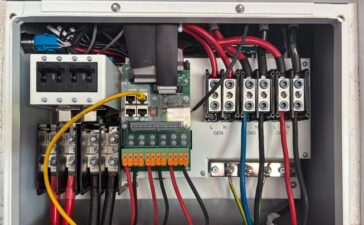
On the other hand, Level 2 chargers offer faster charging times and typically come with more advanced features. While these have higher upfront costs due to their installation requirements—like upgrading your electrical panel—they can save you time in the long run by delivering a full charge overnight.
It’s essential to weigh both options against your driving habits and budgetary constraints before making a decision about which charger fits best into your life. Understanding how these different types affect overall costs will help ensure that you’re making an informed investment in convenience and efficiency for years to come.