
Pregnancy is a remarkable journey filled with excitement and anticipation. As your body undergoes incredible changes, prenatal care becomes essential in ensuring both your health and that of your baby. Understanding the importance of these early visits can make all the difference in having a safe pregnancy experience. Whether you’re a first-time mom or adding to your growing family, knowing what to expect from an experienced gynecologist can ease any worries you might have. Let’s delve into the world of prenatal care and support services that will help guide you through this life-changing adventure.
The Importance of Prenatal Care
Prenatal care is crucial for the health of both mother and baby. Early check-ups help identify potential risks, allowing healthcare providers to create personalized plans tailored to your needs.
These visits not only monitor physical development but also offer emotional support during a time filled with uncertainty. Regular appointments help build a relationship with your experienced obstetrician and gynecologist, ensuring you feel comfortable discussing any concerns.
Moreover, prenatal care provides education on what to expect during pregnancy and childbirth. Knowledge empowers mothers, enabling informed choices that contribute to healthier outcomes.
Accessing prenatal services can lead to early detection of complications like gestational diabetes or preeclampsia. Addressing these issues promptly can significantly improve overall health for both you and your baby.
Consistent prenatal care fosters a supportive environment where women can thrive through their pregnancy journey.
What to Expect During Prenatal Visits
During your prenatal visits, expect a warm and welcoming environment. Your gynecologist will start with a thorough health assessment. This includes discussing your medical history and any concerns you might have.
Next, you’ll undergo several routine checks. Blood pressure, weight monitoring, and fetal heartbeat evaluations are standard procedures. These help ensure both you and your baby are doing well.
Your doctor may also provide tailored advice based on your specific needs. It’s an opportunity to ask questions about pregnancy symptoms or lifestyle changes.
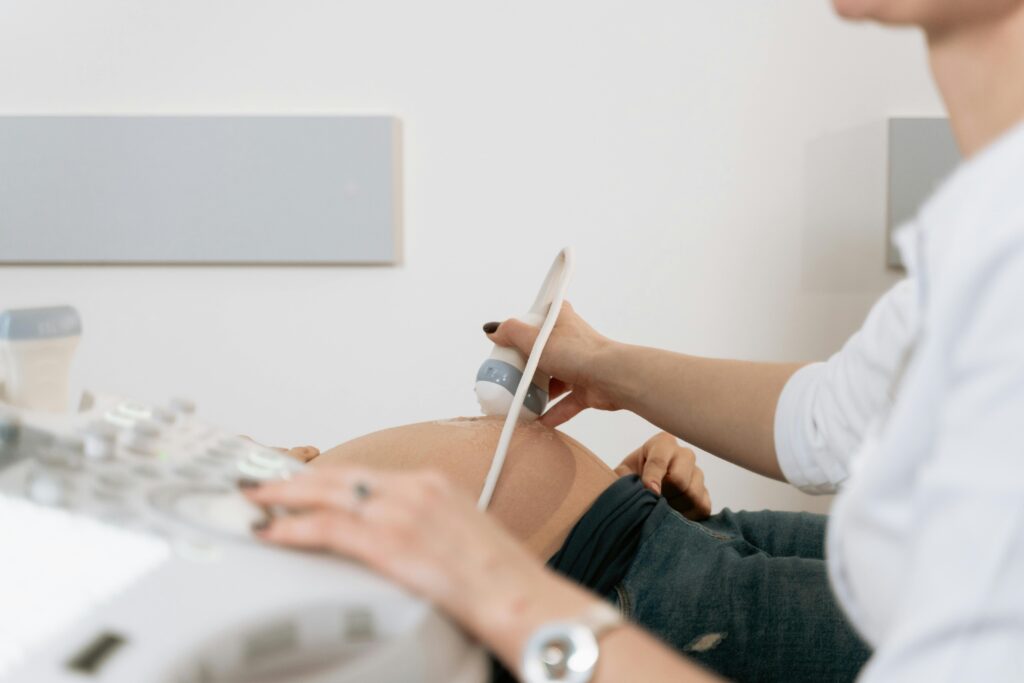
Ultrasounds could be part of the experience too. They allow you to glimpse your growing baby while checking for development progress.
Each visit is not just about checkups; it’s a moment to build trust with your healthcare provider. Embrace this journey as one filled with support as you prepare for motherhood.
Common Tests and Screenings During Pregnancy
During pregnancy, healthcare providers recommend several tests and screenings to ensure the well-being of both mother and baby. These assessments help identify any potential issues early on.
Blood tests are among the first steps. They check for conditions like anemia, blood type, and infections such as syphilis or HIV. Urine tests also play a vital role in monitoring kidney function and detecting diabetes.
Ultrasounds offer an exciting glimpse into your baby’s development. Typically performed at various stages, they assess growth patterns and verify due dates.
Screening for genetic disorders can be crucial too. Non-invasive prenatal testing (NIPT) screens for chromosomal abnormalities with minimal risk to the fetus.
Routine visits often include measuring blood pressure and weight gain trends. These metrics provide insight into maternal health throughout pregnancy. Each test serves a purpose in promoting a safe journey toward motherhood while easing concerns along the way.
Nutritional Guidance for a Healthy Pregnancy
Proper nutrition is vital during pregnancy. The right foods can support both your health and your baby’s development.
Focus on a balanced diet rich in fruits, vegetables, whole grains, and lean proteins. These foods provide essential vitamins and minerals necessary for growth. Iron-rich sources like spinach or lentils help prevent anemia.
Omega-3 fatty acids found in fish are important for brain development. Incorporate healthy fats from avocados, nuts, and seeds into your meals as well.
Stay hydrated by drinking plenty of water throughout the day. This aids digestion and helps manage common pregnancy discomforts such as swelling.
Consider talking with a healthcare provider about prenatal vitamins to fill any nutritional gaps. Folic acid is especially crucial to reduce the risk of neural tube defects.
Listening to your body’s hunger cues is key too; don’t ignore cravings but choose healthier options when possible.
Exercise and Self-Care during Pregnancy
Exercise and self-care during pregnancy play a vital role in maintaining both physical and emotional well-being. Staying active can help manage weight gain, improve mood, and boost energy levels. Gentle exercises like walking, swimming, or prenatal yoga are excellent options that promote flexibility and strength without putting too much strain on the body.
Listening to your body is key. Each pregnancy is unique, so it’s important to pay attention to how you feel during workouts. Always consult with your gynecologist before starting any new exercise regimen to ensure it’s safe for you.
Self-care extends beyond physical activity; mental health is equally essential during this time. Practices such as meditation or journaling can provide an outlet for emotions and reduce stress. Taking time for yourself—whether that’s indulging in a warm bath or enjoying a favorite book—can positively impact your overall experience.
Prioritizing rest is another crucial aspect of self-care. As the baby grows, fatigue may set in more easily than before. Napping when possible or simply taking breaks throughout the day can help recharge your energy levels.
Maintaining open communication with healthcare providers ensures all aspects of care are addressed properly—from fitness routines to emotional support resources available within prenatal care services. Embracing these practices contributes not only to a healthier pregnancy but also sets up a positive foundation as you embark on the journey into motherhood.