
Moving can be an exciting adventure, but it often comes with a hefty price tag. Between packing supplies, transportation fees, and the labor involved, costs can add up quickly. Many people find themselves questioning if they can cut back on these expenses without sacrificing quality service. The good news is that there are plenty of strategies to achieve both! With some smart planning and a little negotiating finesse, you don’t have to break the bank while ensuring your move goes smoothly. Let’s dive into how you can save money during your move without compromising on service excellence.
The High Costs of Moving
A clean couch enhances the overall atmosphere of your living space. It invites relaxation and makes gatherings more enjoyable. An unkempt sofa, on the other hand, can create an uncomfortable environment. That’s why following the ultimate guide to couch cleaning in Perth homes can help you maintain a fresh, hygienic, and welcoming living space with proper care and regular maintenance routines.
First, there are packing materials—boxes, tape, bubble wrap—all necessary for protecting your belongings. Then comes the transportation fee, which varies based on weight or mileage.
Labor costs add another layer. Hiring professionals might seem like an easy choice but can significantly inflate your budget. Even DIY moves require renting trucks and paying for fuel.
Hidden fees often lurk in the shadows as well. Charges such as insurance coverage, stair carries, or even storage solutions can pop up unexpectedly.
With all these expenses stacked against you, it’s no surprise that many look for ways to trim their budgets while still ensuring a hassle-free move.
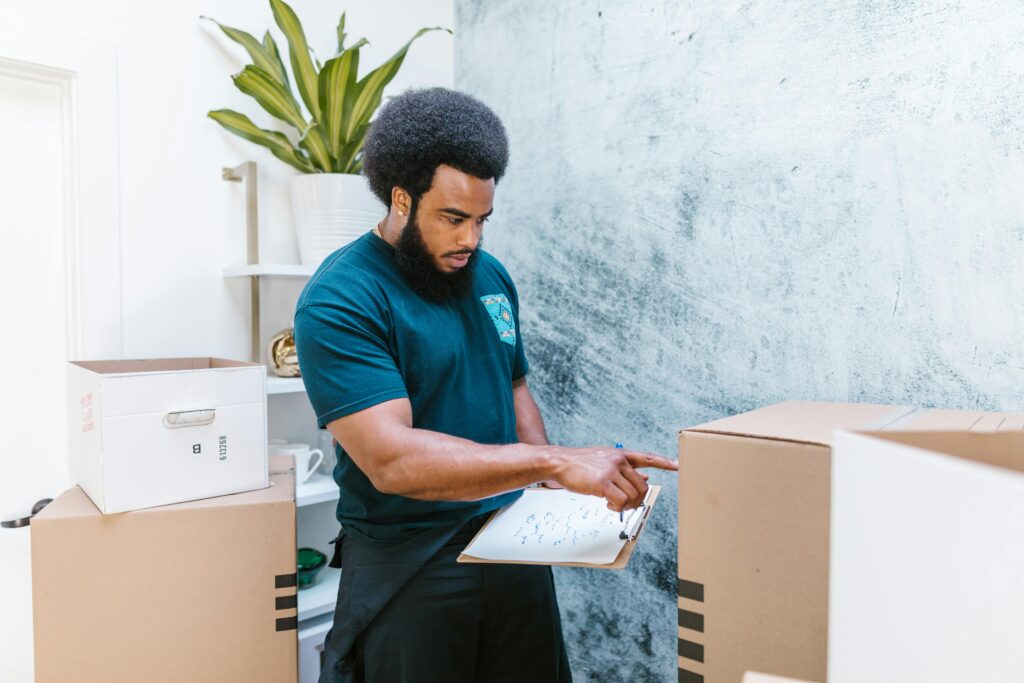
Factors that Affect Moving Costs
Moving costs can fluctuate based on several key factors. First, the distance between your current home and destination plays a significant role. Long-distance moves generally incur higher expenses than local ones.
The size of your household also matters. More belongings mean more packing materials and labor hours, increasing overall costs. It’s essential to evaluate what you truly need to move.
Time of year influences pricing as well. Peak seasons typically see rates rise due to high demand, while off-peak times might offer savings.
Additionally, special services like packing assistance or vehicle transport will add extra charges. Each aspect contributes uniquely to the total moving cost equation.
Accessibility can’t be ignored; if movers have difficulty reaching your location or navigating narrow streets, that could lead to additional fees for their time and effort.
Negotiating with Moving Companies
Negotiating with moving companies can feel daunting, but it doesn’t have to be.
Start by gathering quotes from multiple movers. Having options gives you leverage in discussions. Don’t hesitate to ask for discounts or promotions they may not advertise.
Be open about your budget constraints. Many companies appreciate transparency and might offer tailored solutions that fit within your financial limits.
Timing also plays a significant role; moving during off-peak seasons can lead to better rates. If you’re flexible on dates, mention this during negotiations.
Consider the services offered. Sometimes a lower price means fewer amenities, so weigh the value of what’s included against costs carefully.
These tactics could pave the way for substantial savings while still securing quality service for your move.
Alternatives to Traditional Moving Companies
If you’re looking for ways to cut moving costs, consider alternatives to traditional moving companies. One popular option is renting a truck. This gives you full control over the move and can be significantly cheaper.
Another alternative is hiring labor-only services. You can rent the truck yourself and then pay professionals just to load or unload your belongings. This way, you save on transportation fees while still getting help with heavy lifting.
You might also explore container services. Companies drop off a storage container at your location, allowing you to pack at your own pace before they take it away.
For those willing to get creative, using peer-to-peer platforms connects you with locals who have trucks and are eager to lend a hand for payment. These options not only save money but can also add a personal touch to your moving experience.
The Importance of Research and Planning
When it comes to cutting moving costs, research and planning are your best allies. Understanding the ins and outs of the moving process can save you a significant amount of money.
Start by gathering multiple quotes from different companies. This gives you a clearer idea of what’s reasonable in terms of pricing. Don’t hesitate to ask questions about hidden fees or extra charges that might not be apparent at first glance.
Planning also involves creating a detailed checklist well ahead of time. This can help streamline your move, preventing last-minute expenses caused by hasty decisions or forgotten tasks. Setting aside time for sorting through belongings is key as well; downsizing means fewer items to transport, which translates directly into savings.
Another vital aspect is booking early. Many companies offer discounts for advance bookings, so don’t wait until the last minute when prices tend to spike.
Take advantage of online resources and forums where others share their experiences and tips on cost-effective moves. They can provide insights that will benefit your own planning efforts.
A little foresight goes a long way in making your move less stressful while keeping it budget-friendly.